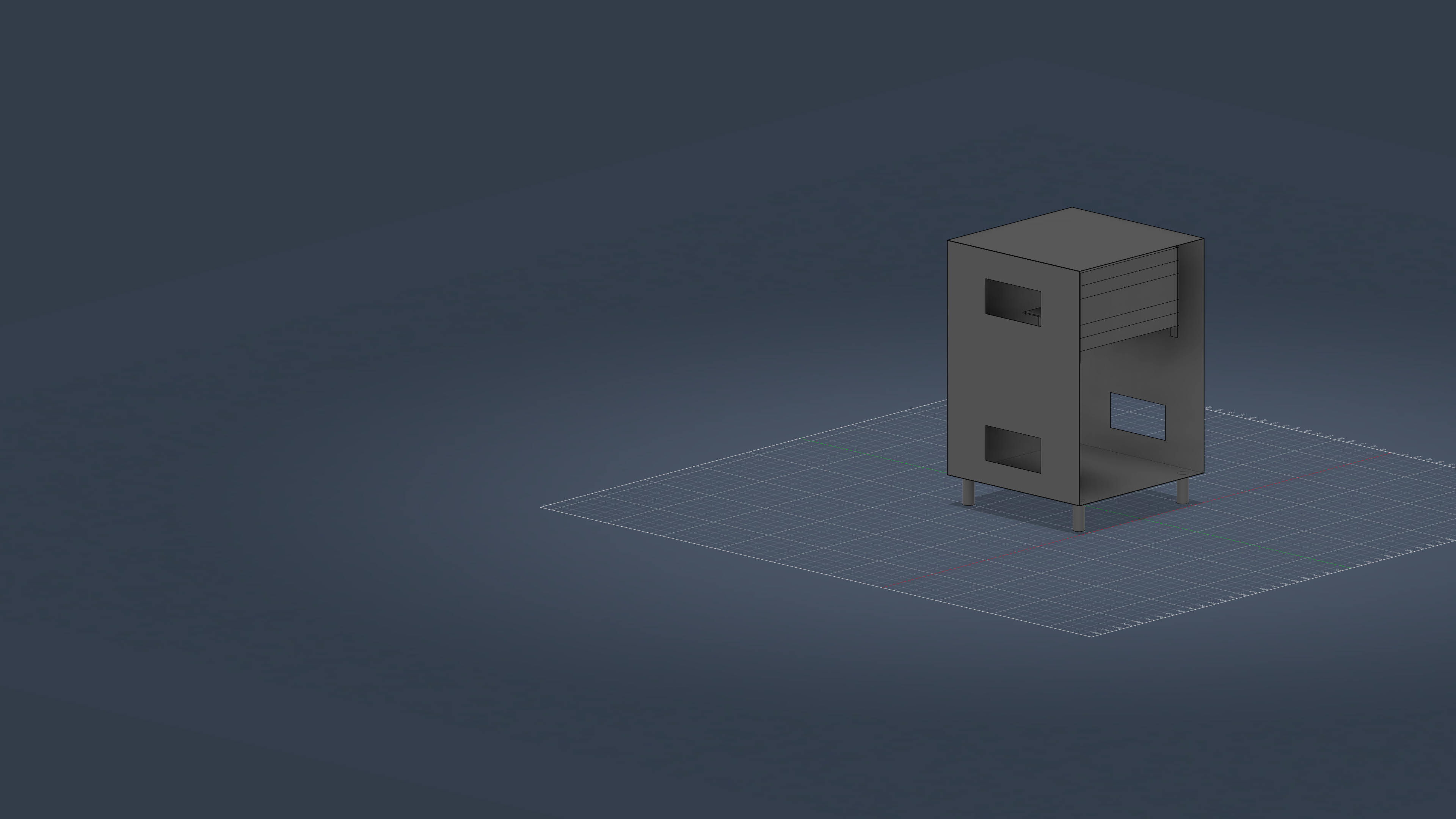
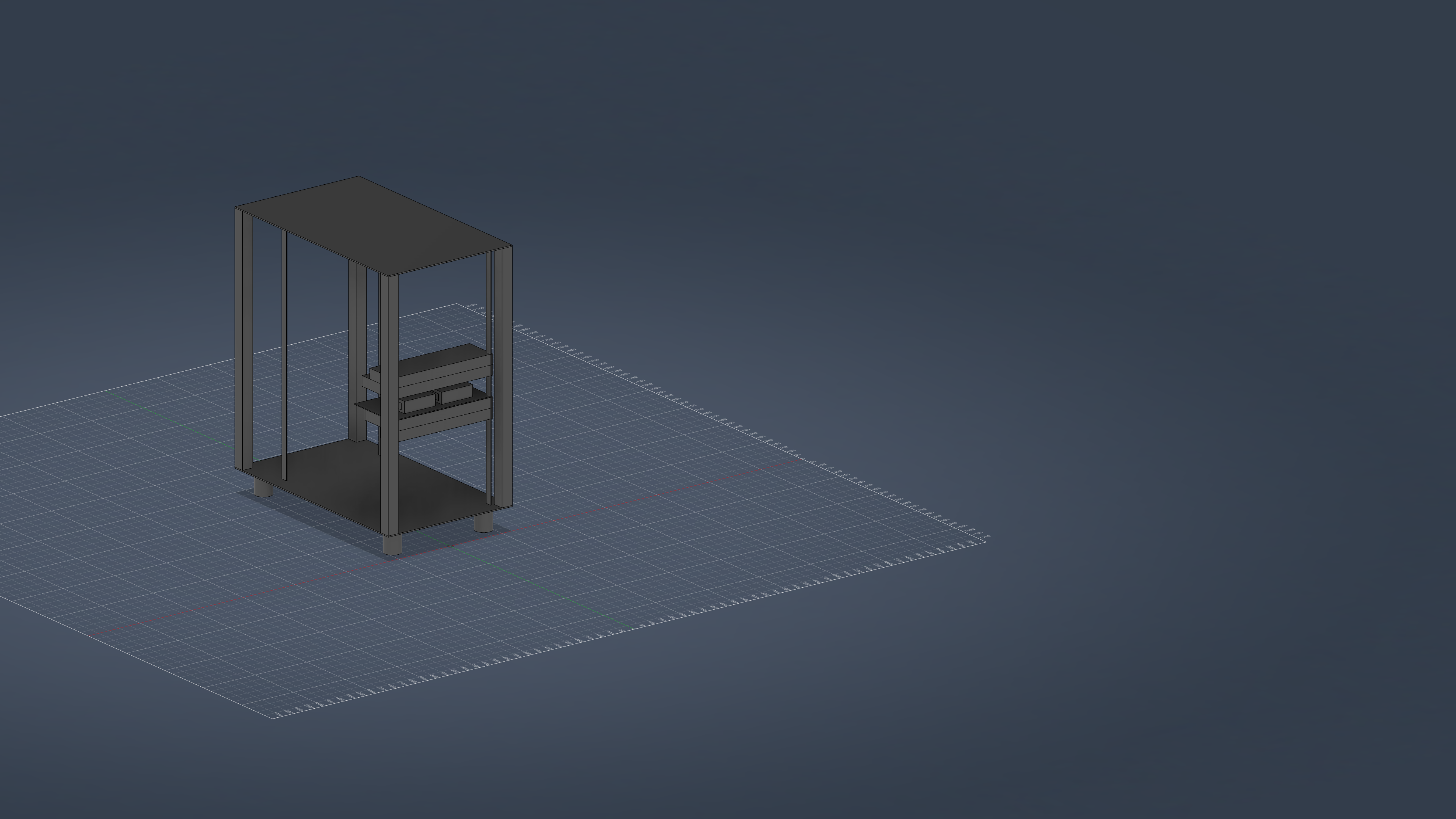
Architecture
How the architecture works
Sovereignty isn’t a clause in a contract. It’s a property of the architecture, and an auditable one. Ronin is built on three non-negotiables, and they’re the reason a defence supplier, a hospital, or a law firm can put it into production without rewriting their security posture.
The first is sovereignty by default. There is no content telemetry. No always-on vendor tunnels. Remote support is opt-in, session-bound, and auditable on your side. Nothing about the appliance assumes connectivity to the outside world to function. It runs against your data, in your network, on your schedule.
The second is open internals. Compute is the NVIDIA DGX Spark. The serving stack runs on PyTorch and vLLM, both open and inspectable. Nothing in the box is a vendor black box you couldn’t see into, and nothing requires us to be present for the appliance to keep working. If you ever had to support it yourself, you could. That’s the test.
The third is that service is the moat. The box itself isn’t the product. The product is deployment expertise, vertical tuning, and operational reliability, priced into setup and recurring service. Refresh cycles and hardware contingencies are folded in, so the appliance gets better over time instead of silently aging out.